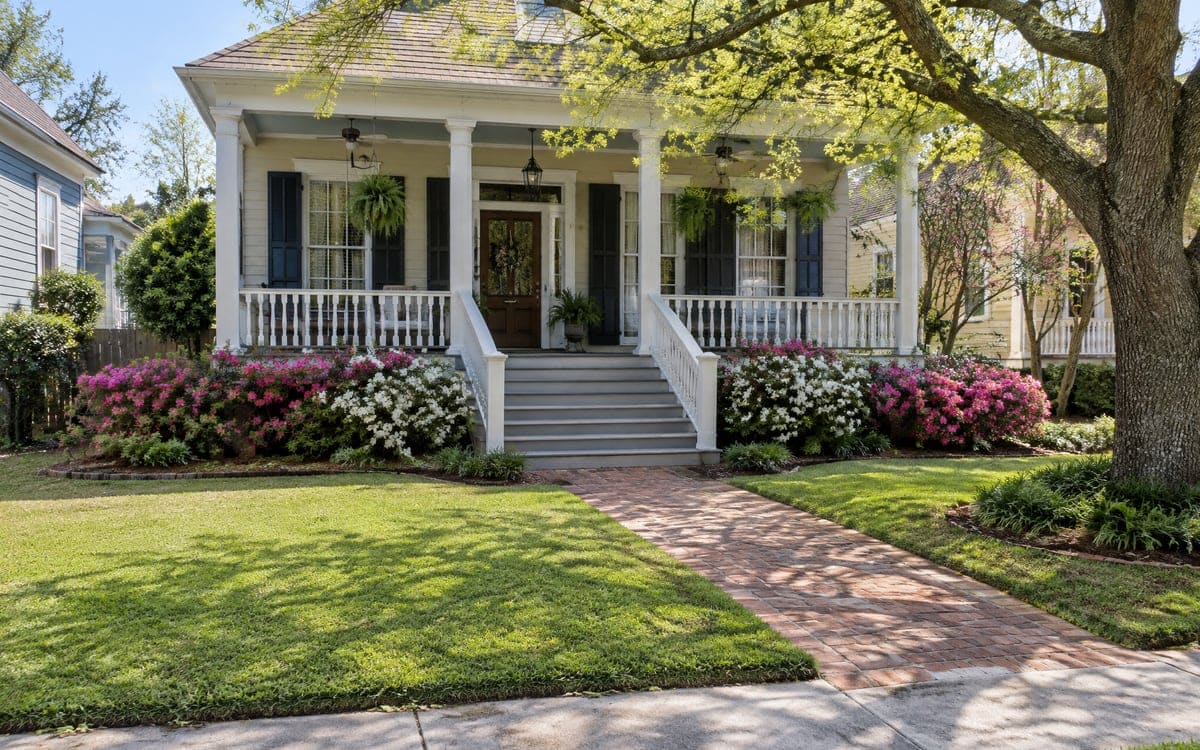
Reading for Baton Rouge yards
Lawn care guides for Baton Rouge yards
These lawn care guides cover common questions about Baton Rouge yards: when to mow, when to trim, what moves a price, and the yard-work jobs we handle at a home.
Lawn care guides on mowing through the season
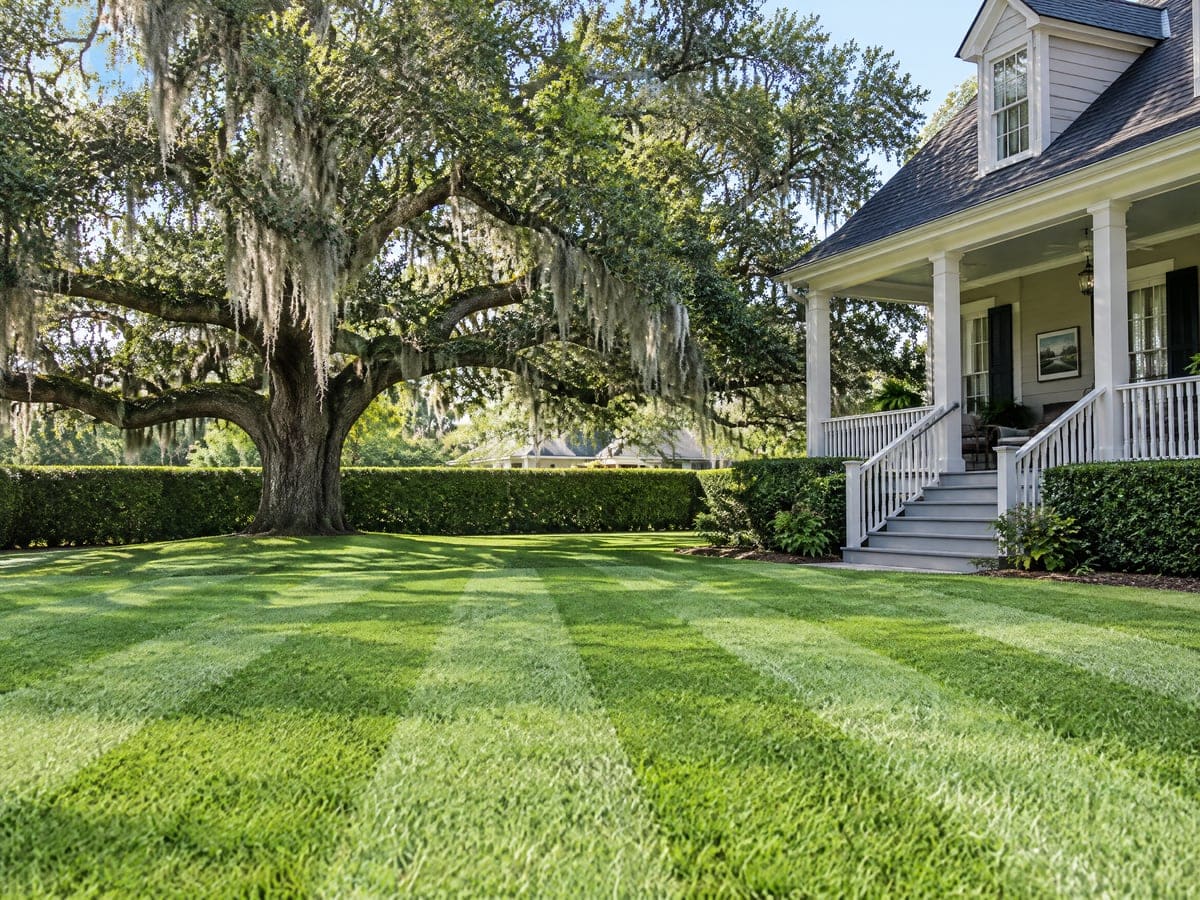
A lawn mowing schedule for the Baton Rouge season walks the year from the late-February green-up and the first cut in March through a long warm middle, a slower fall as growth settles, and the dormant months. It names the signals that call for a mow rather than counting days off a page.
Hedges, edges and beds
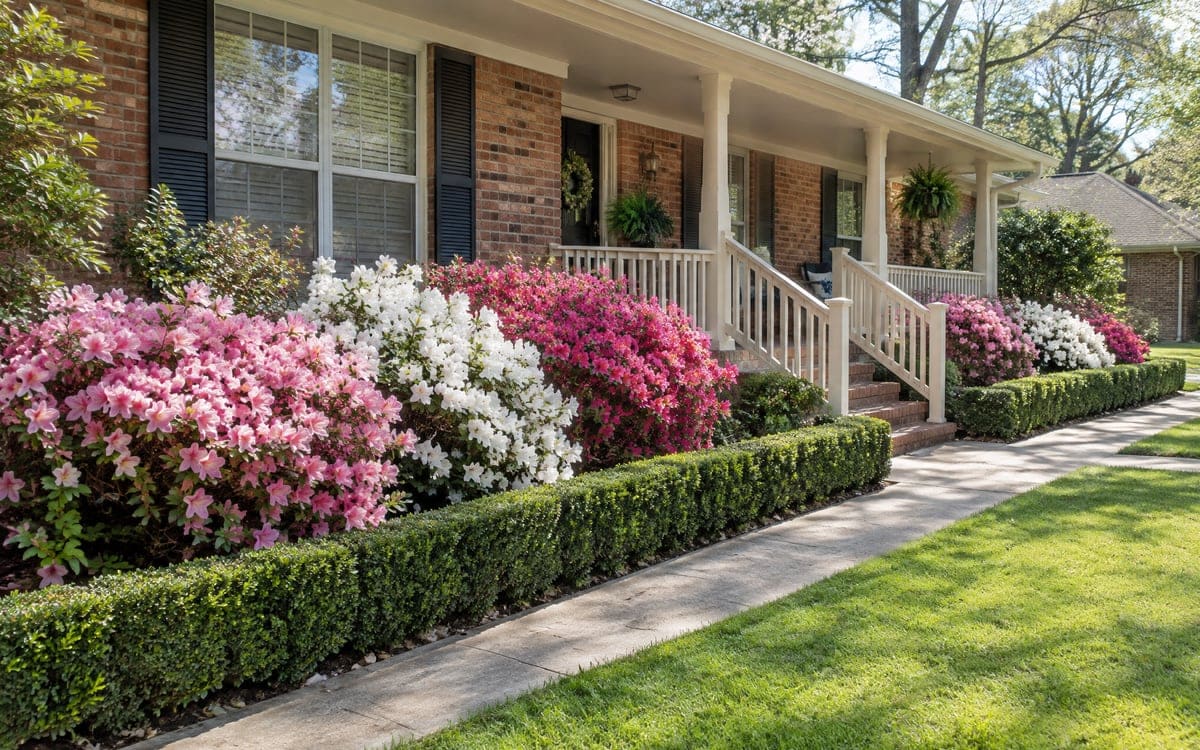
Hedges and shrubs keep a different clock from the lawn, and the window for a trim is narrower than the window for a cut. When to trim hedges in Baton Rouge runs through boxwood, ligustrum, azalea and a few others, with the right stretch of the year for each, how to leave a hedge wider at the base so it stays full to the ground, and when a shrub is better off left alone until next season. The guide also explains why some trims land after a plant has bloomed (so next year's flower buds are not cut off) and why others ride through the growing season as light shaping.
Hiring and paying
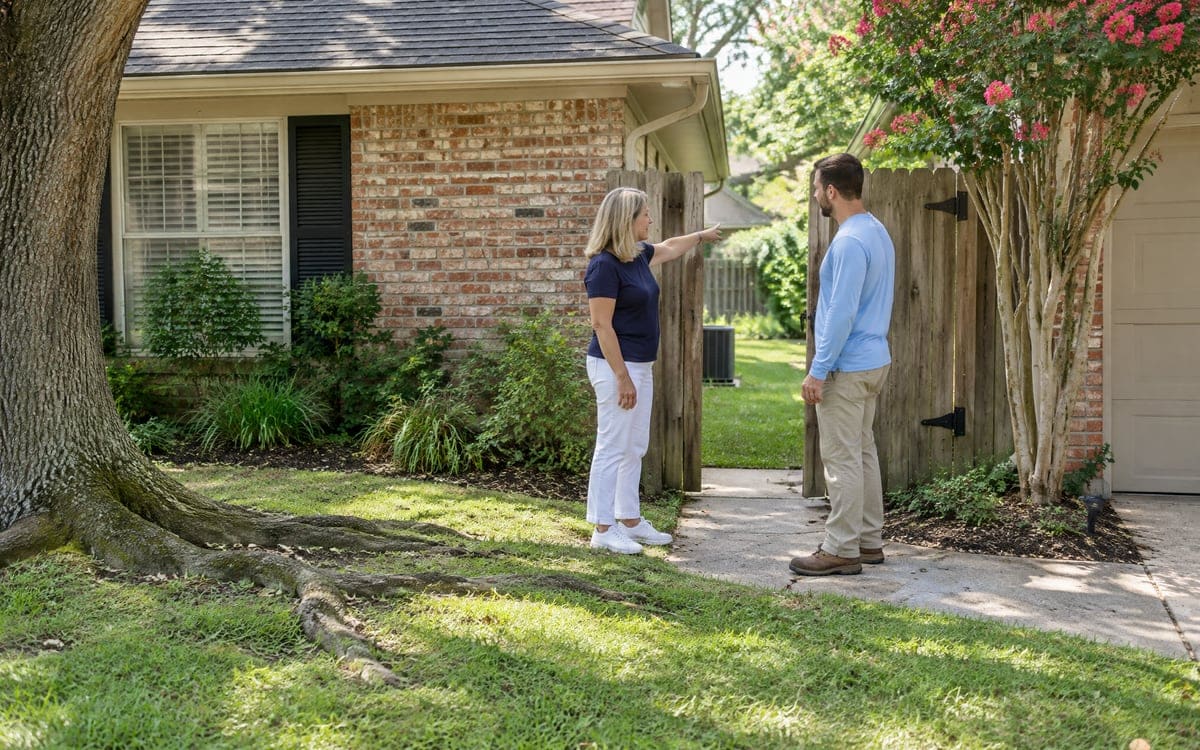
Lawn care cost in Baton Rouge depends on the yard steps through what moves a price without printing one: the lawn itself, how tall the grass is on the first visit, side yards and gates, how often we come, and whether the edging, hedges and beds are part of the visit. It also lays out why a first cut on a tall lawn sits apart from a routine cut, and why a weekly schedule often reads differently from a single visit when the number is set.
Need the yard done instead?
If what you want is the yard done rather than more reading, our yard services list each job and the shape of a visit, and grass cutting is the right starting point for the common case: a lawn you want cut, once or on a schedule. For a yard that is well past where a normal mow helps, overgrown grass cutting is the page to open first.
A visit opens with a walk of the yard. The crew looks for sticks, toys, dog stakes, sprinkler heads and fire ant mounds before any machine starts, and anything the mower deck should not meet gets picked up or flagged. The deck is set for the grass that is in the yard, with the height picked for St. Augustine, centipede, bermuda, zoysia or carpetgrass. The mower works across slopes rather than up and down, with the discharge side kept away from windows, cars and anyone nearby. Walk-behind mowers handle wet or sloped areas, and ditch banks, canal edges and steep slopes stay off the schedule for riding mowers. String trimming finishes along fences, posts and the mailbox, with the line kept off tree trunks, siding, windows and cars. A stick edger sets the line at the walk, the drive and the curb in a narrow vertical pass. If hedges or beds are on the list, they come after the mowing so dust and clippings settle before the finish work. A last look closes the visit, with you if you are home.
More guides land through the fall and spring.
Guides, then the call
Once you have a question for us, call (225) 535-8165 and tell us about the yard: the front, the back and side, the gates and dogs, and how tall the grass is right now. For a written question not covered here, get in touch through the callback form below the number.